





The Krečmáry-Geramb Palace
History of the ‘Old Hospital’
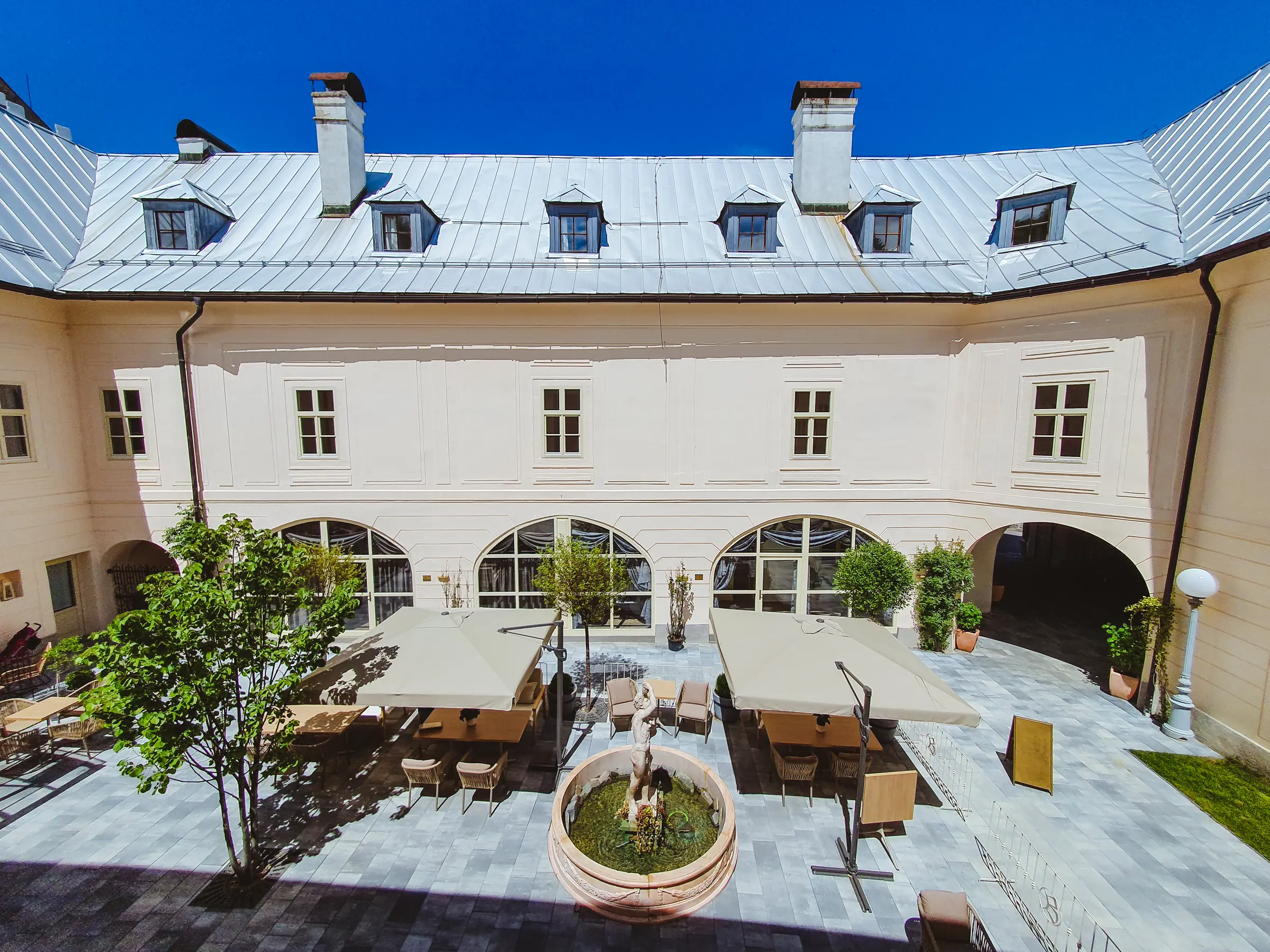
The Krečmáry-Geramb Palace, a town palace also known as the ‘Old Hospital’, at A. Pécha 5 has a long and remarkable history spanning more than five centuries.
15th–18th centuries
From two Gothic houses to a Neoclassical palace
After the Chamber Court (Kammerhof), it is one of the largest burgher buildings in Banská Štiavnica. It is also significant because it combines elements of burgher and aristocratic architecture of the mid-18th century. Its very location, about 100 m from the main historic square and close to Banská Štiavnica's dominant landmark – the Old Castle – hints at its importance and the status of its owners.
It underwent a remarkable evolution and extensive rebuilding: from two medieval Gothic houses of the late 15th century, through a Renaissance conversion into a four-wing building with an inner courtyard and arcade, to a Baroque and later Neoclassical palace whose defining features are simplicity, functionality and elegance.
1578
The Renaissance portal and the first known owner
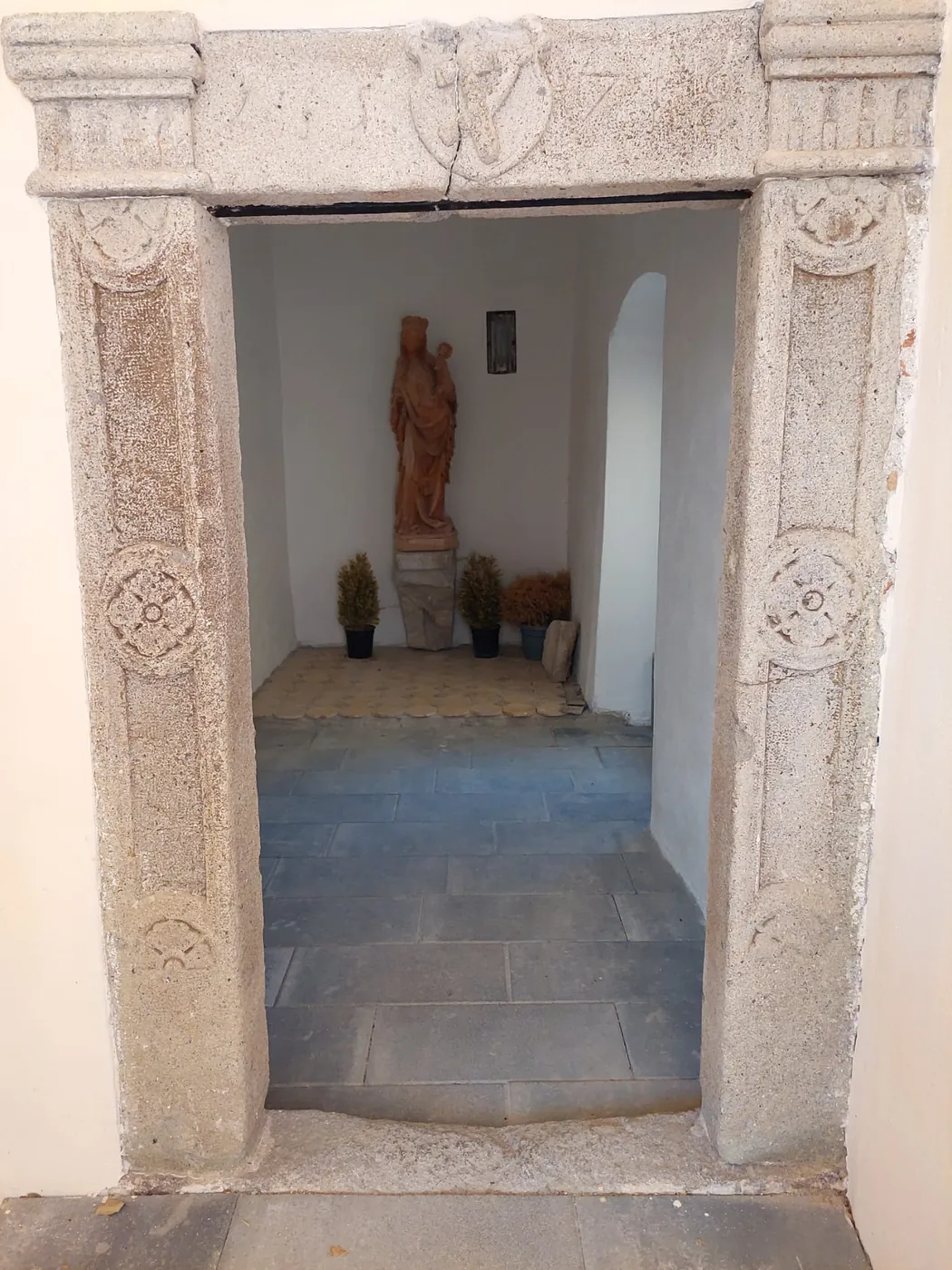
Although the earliest record in historical sources dates from 1579, at the back of the house on the ground floor there is a Renaissance portal bearing the date 1578 and a coat of arms, so the house is certainly older. The coat of arms depicts a hammer and pick – the symbols of mining – and the letter J. This is probably the initial of the earliest known owner, the burgher and mine owner Ján (Johann) Kastner.
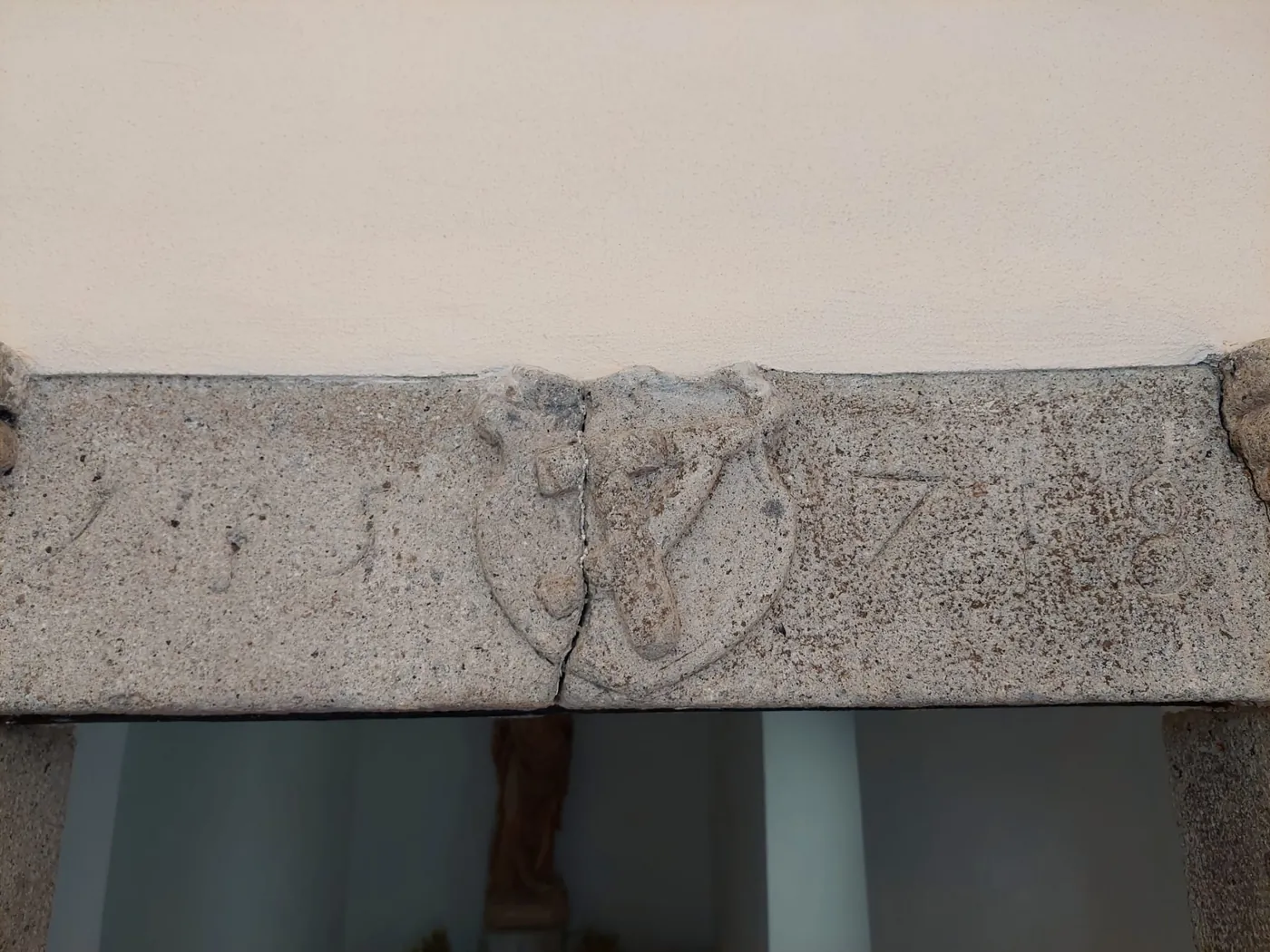
Waldbürger Haus
The Krečmári House
After Ján Kastner's death, the town palace passed through the hands of many owners. Among the most prominent families to own it was that of Ján von Krecsmáry. Ján Krečmári held important posts in the chamber and municipal administration as secretary of the Chief Chamber Count's Office, mining judge, town notary and member of the town council. The family was among the richest and most prominent in the town. It was during this period that the name Krečmári House came into use.
Those keeping the land register classified it as a Waldbürger (mine owner's) house – Waldbürger Haus. Houses in this category belonged to the wealthiest classes (mine owners, merchants) and were located in the historic core of the town. A lower category consisted of burgher houses (craftsmen, small traders), and the lowest, on the outskirts, of miners' houses (Heuer Haus).
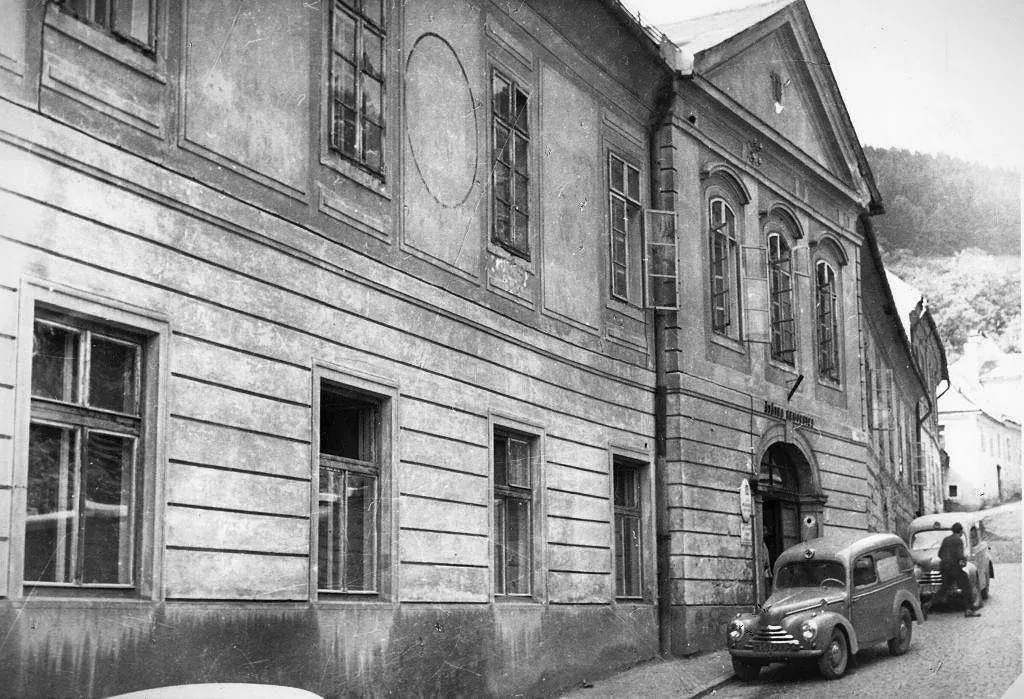
1784
The Mining Academy and Professor Jacquin
The family acquired considerable property in the town and the surrounding area. Among other things, they also ran the brewery in Vyhne. Later, however, the descendants of Ján von Krečméri fell into debt, and this also affected the fate of their palace, which, after the settlement of debts, losses and subsequent sales, came into the possession of Ignác Viktor von Geramb in 1784. At that time it already housed part of a hospital, the owner's living quarters, a lecture hall of the Mining Academy, a library, a cabinet of models, the flat of a mining councillor and the laboratory of Professor Mikuláš Jacquin.
Baron Mikuláš Jozef von Jacquin was professor of chemistry and mineralogy at the newly founded Mining Academy (the oldest institution of higher education of its kind in the world) in Banská Štiavnica – at that time the third-largest town in the Kingdom of Hungary. He was appointed on 13 June 1763 by decision of Maria Theresa. Before that, however, between 1754 and 1759, at the request of Francis Stephen of Lorraine, he led an expedition to the Caribbean and America, where he collected new plants and animals for the imperial gardens in Vienna and Schönbrunn Palace. A memorial plaque to Mikuláš Jozef von Jacquin is on the façade of the town palace, to the right of the main gate.
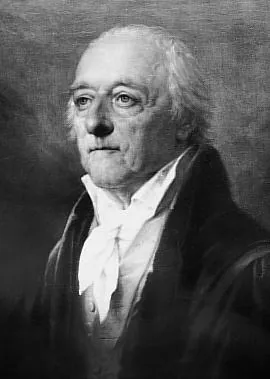
1785 – 1788
The Neoclassical palace of the von Geramb family
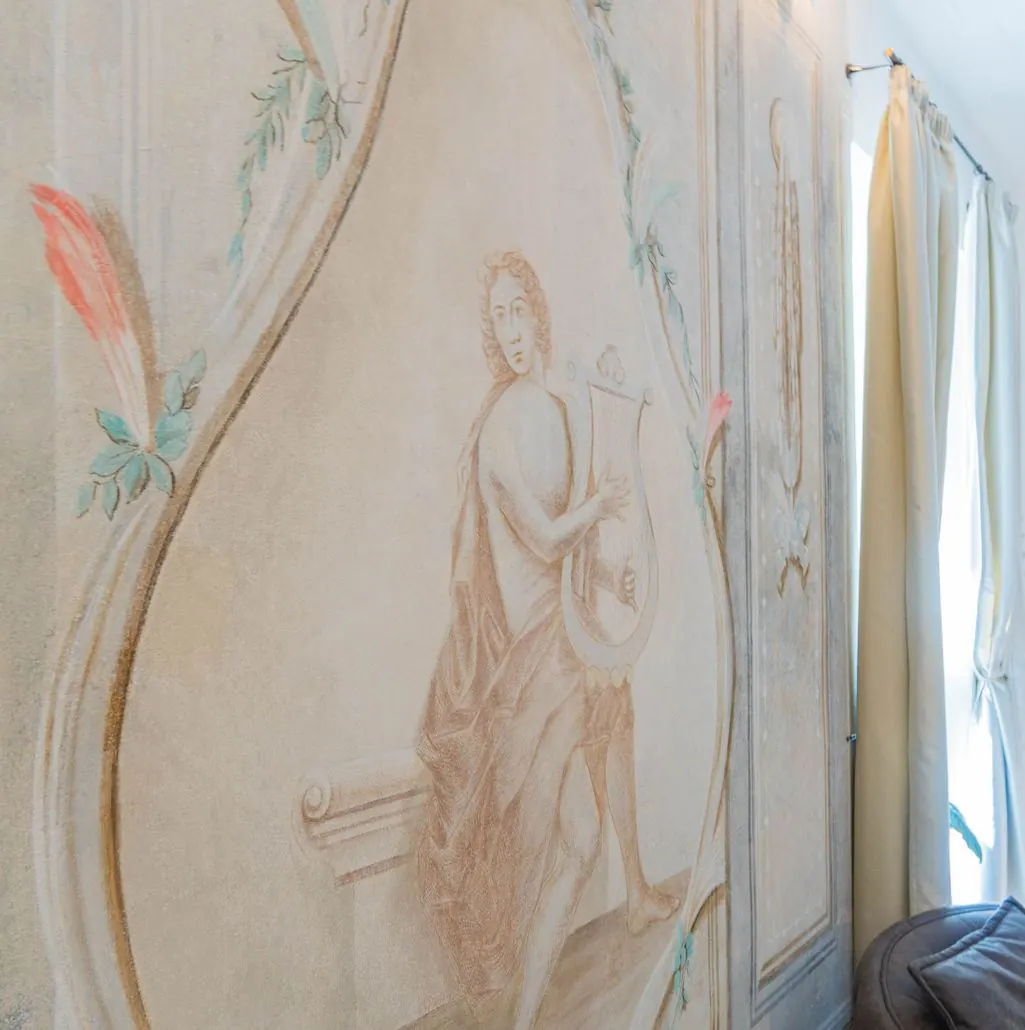
Between 1785 and 1788 Ignác Viktor von Geramb had it rebuilt as a Neoclassical palace with unique murals in the rooms on the upper floor. The von Geramb family came from the small town of Freistadt in Upper Austria; over time it branched out, and besides Banská Štiavnica its lines reached Vienna and the French city of Lille. Franz Gottlieb von Geramb, who served as assayer of precious metals at the Mining Chamber, came to Banská Štiavnica around 1687.
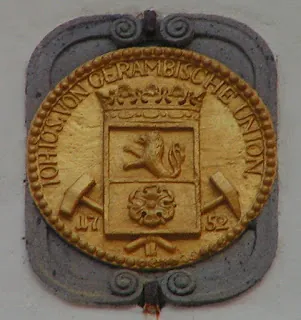
Of his three sons (František, Ferdinand, Ján Jozef), it was the last who distinguished himself. Ján Nepomuk Jozef von Geramb was the most important figure in mining enterprise in the 18th century. By profession he was chamber treasurer, imperial and royal councillor, assessor of the Chief Chamber Count's Office, and chief economic inspector of smelters and stamp mills throughout the Lower Hungarian mining region. He also founded the Geramb Union, the largest private mining company of its time in the Kingdom of Hungary (it ceased to exist in 1906). A coat of arms dated 1778 survives on the façade of the house to this day. Ján Nepomuk is buried in the parish Church of the Assumption of the Virgin Mary, and his ornate epitaph is on the second pillar in the side aisle of the church.
1800 – 1992
The hospital
Besides mining, some members of the family made their name in the military. Ján Jozef's son Ignác Viktor von Geramb served as a cavalry major. Several historical sources state that the house belonged to Major Geramb (Major Gerambische Haus). After the death of Ignác Viktor von Geramb in 1788, the town palace passed into the ownership of the town, even though he had heirs – six children with his wife Klára, née Rozenzwigová. The likely reason for the sale was debt.
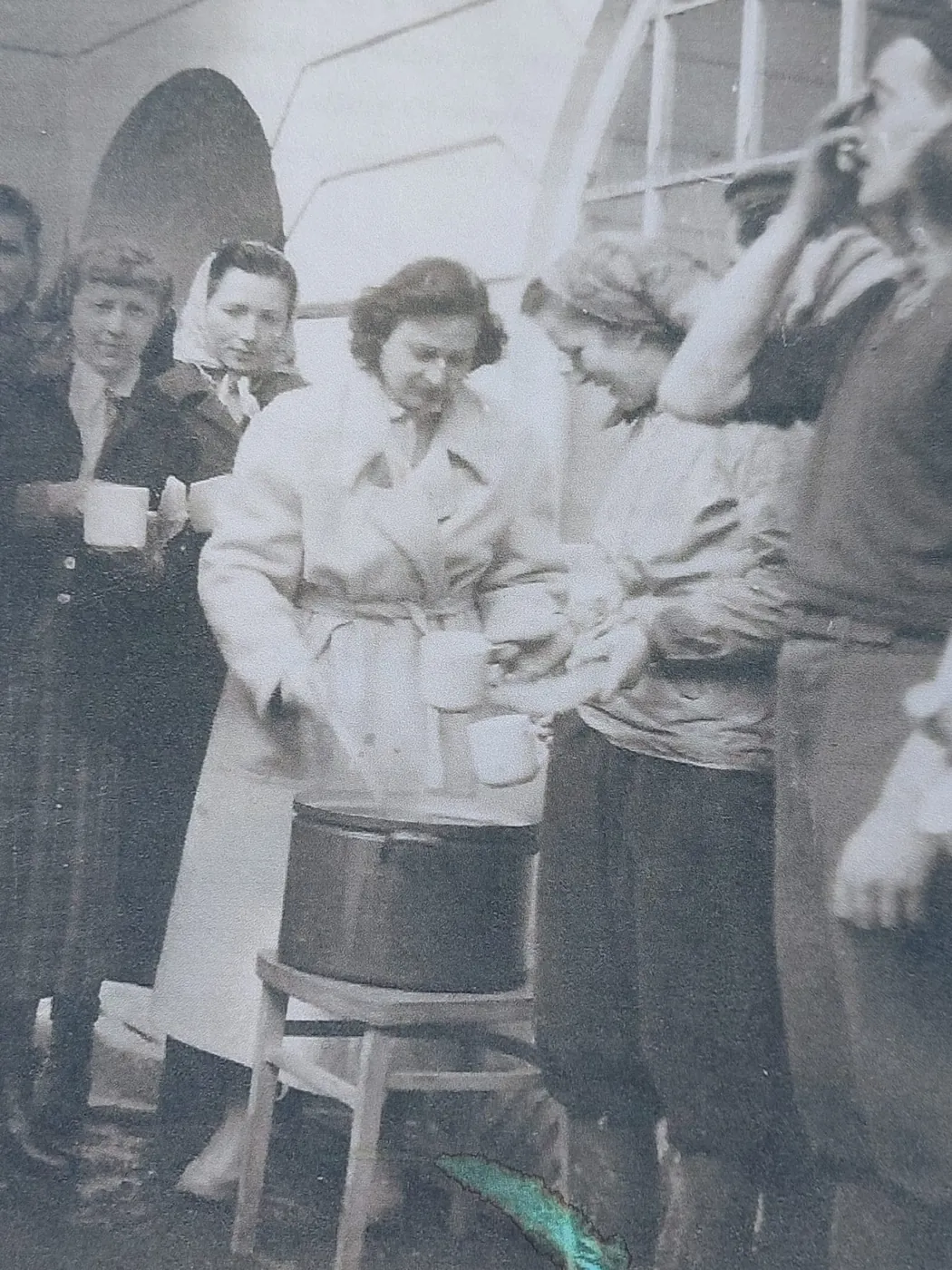
From 1800 the owner was St. Lawrence's Hospital (Sankt Laurentii Spital). Until 1891 the house was also used for teaching by the Academy, and for a time the District Court with a prison was based in the front part. Later, at the turn of the 19th and 20th centuries, a more extensive internal reconstruction was carried out so that the building could be used exclusively as a hospital, and it was renamed St. Elizabeth's Municipal Public Hospital. After February 1948 it became the Hospital with Polyclinic. From 1949 the hospital building came under state health administration, and it continued to operate as a hospital until 1992.

2018 – 2021
Restoration of the palace
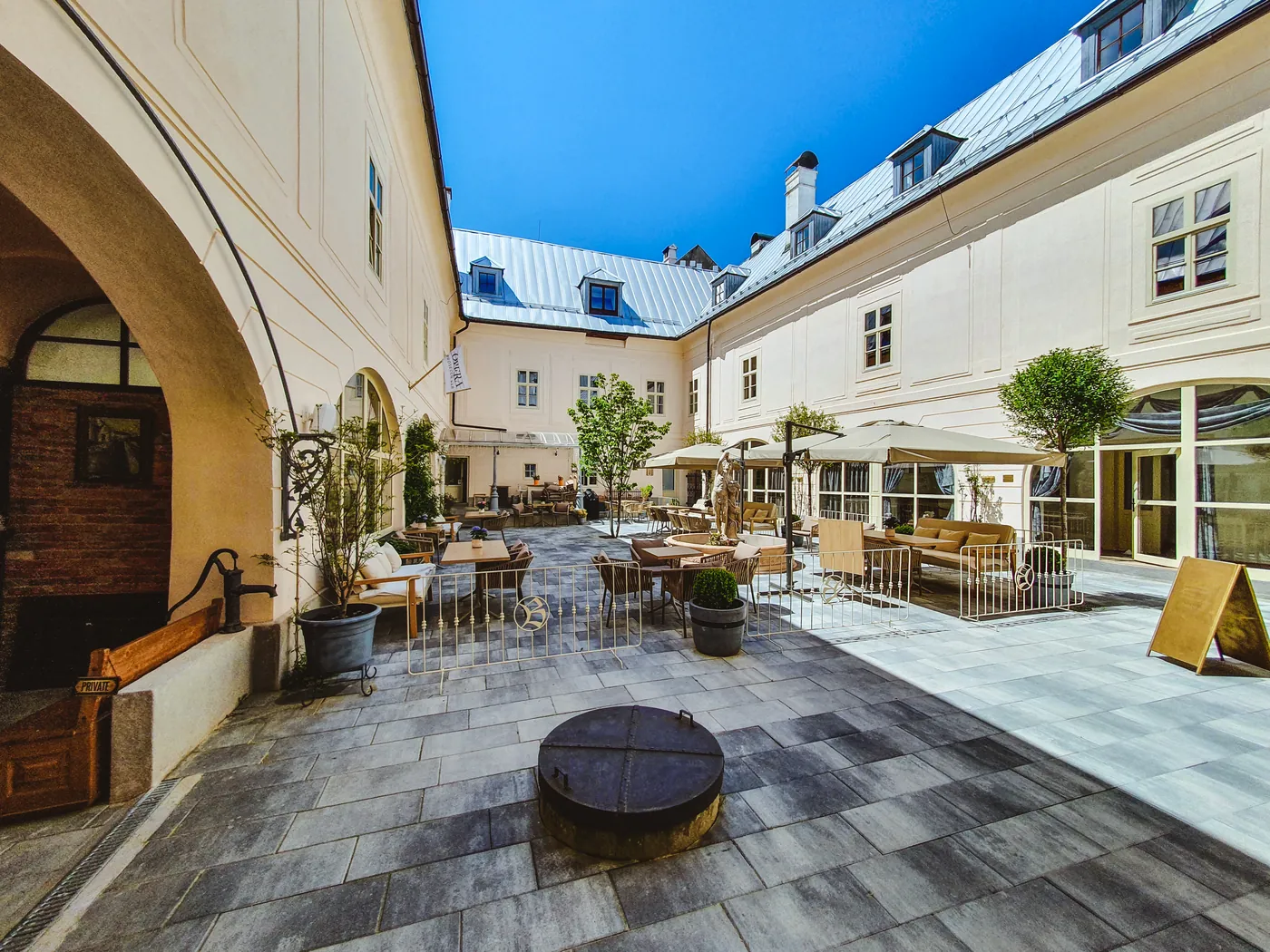
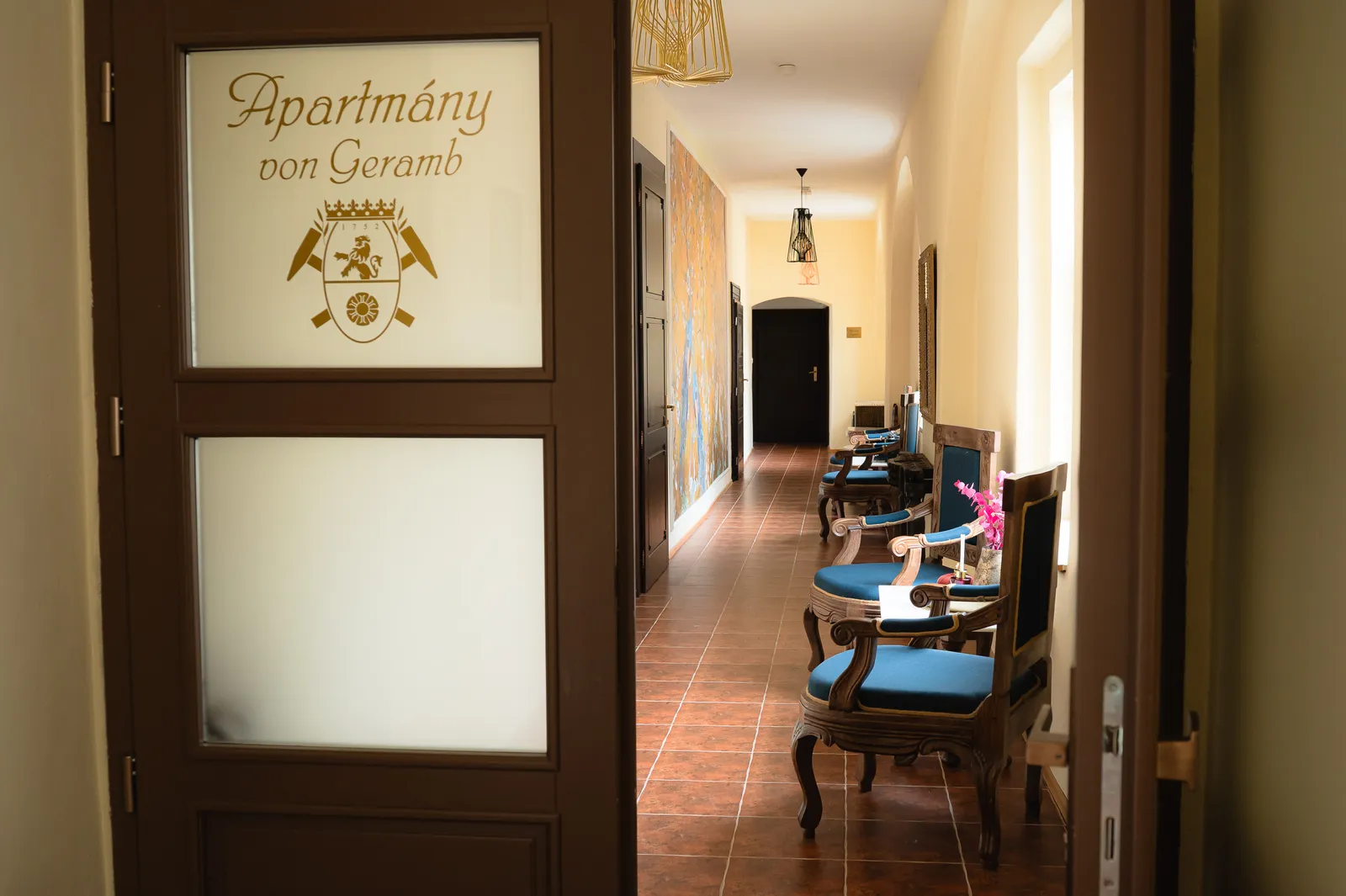
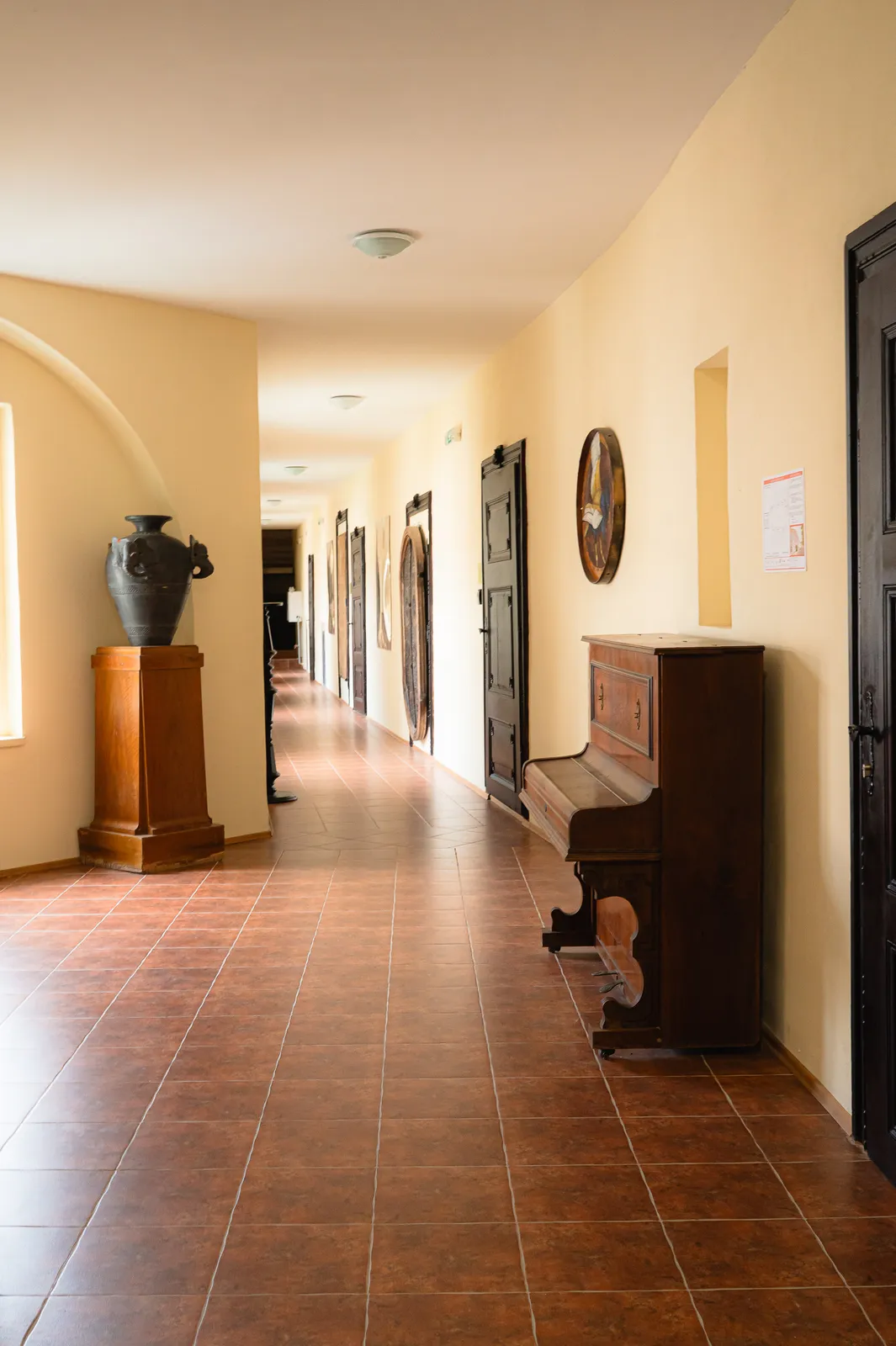
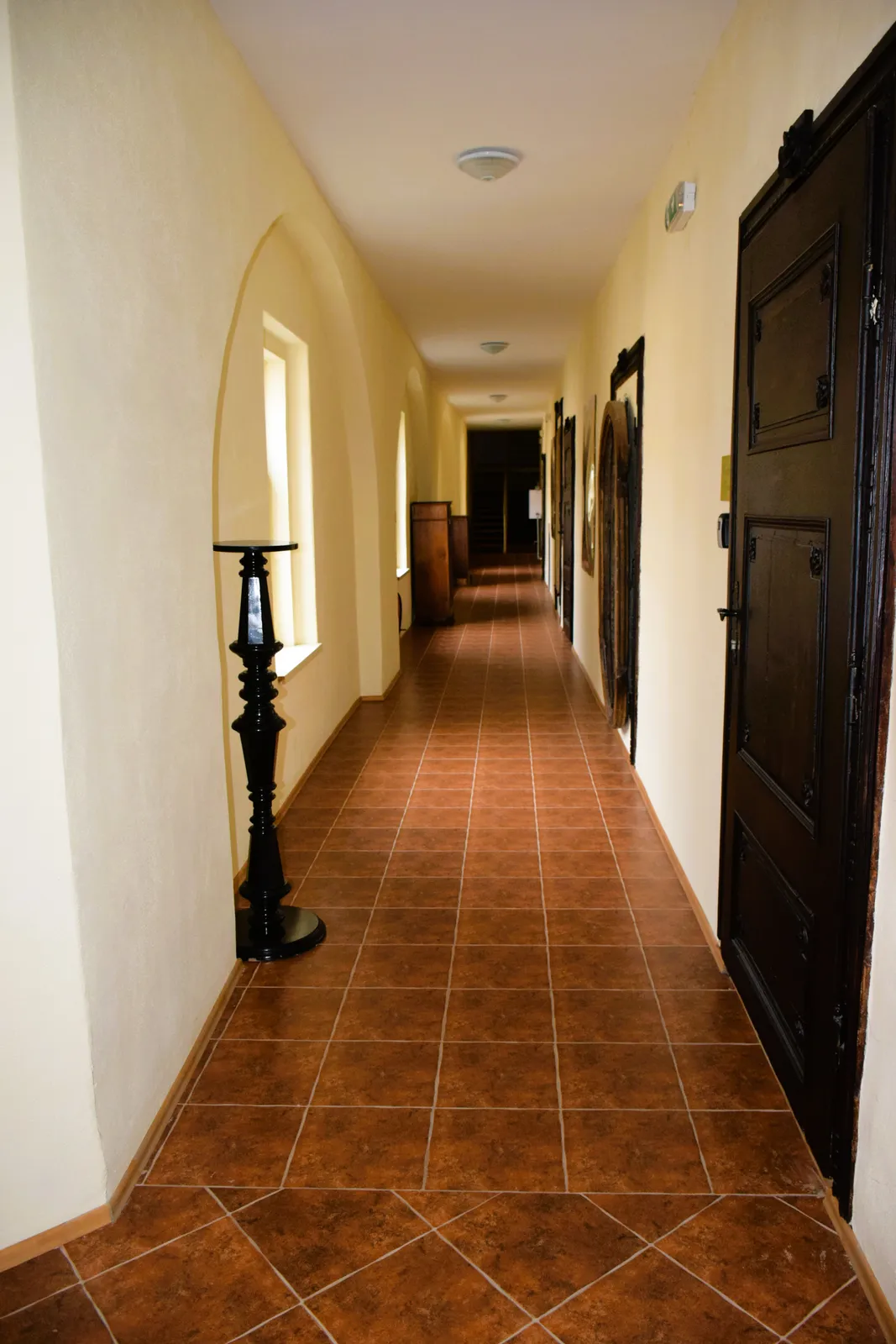
From then on the building fell into disrepair until restoration and construction work began in 2018. Since 2021 the town palace has been restored once again. The building has several owners. Many of them had the badly damaged murals restored at their own expense.
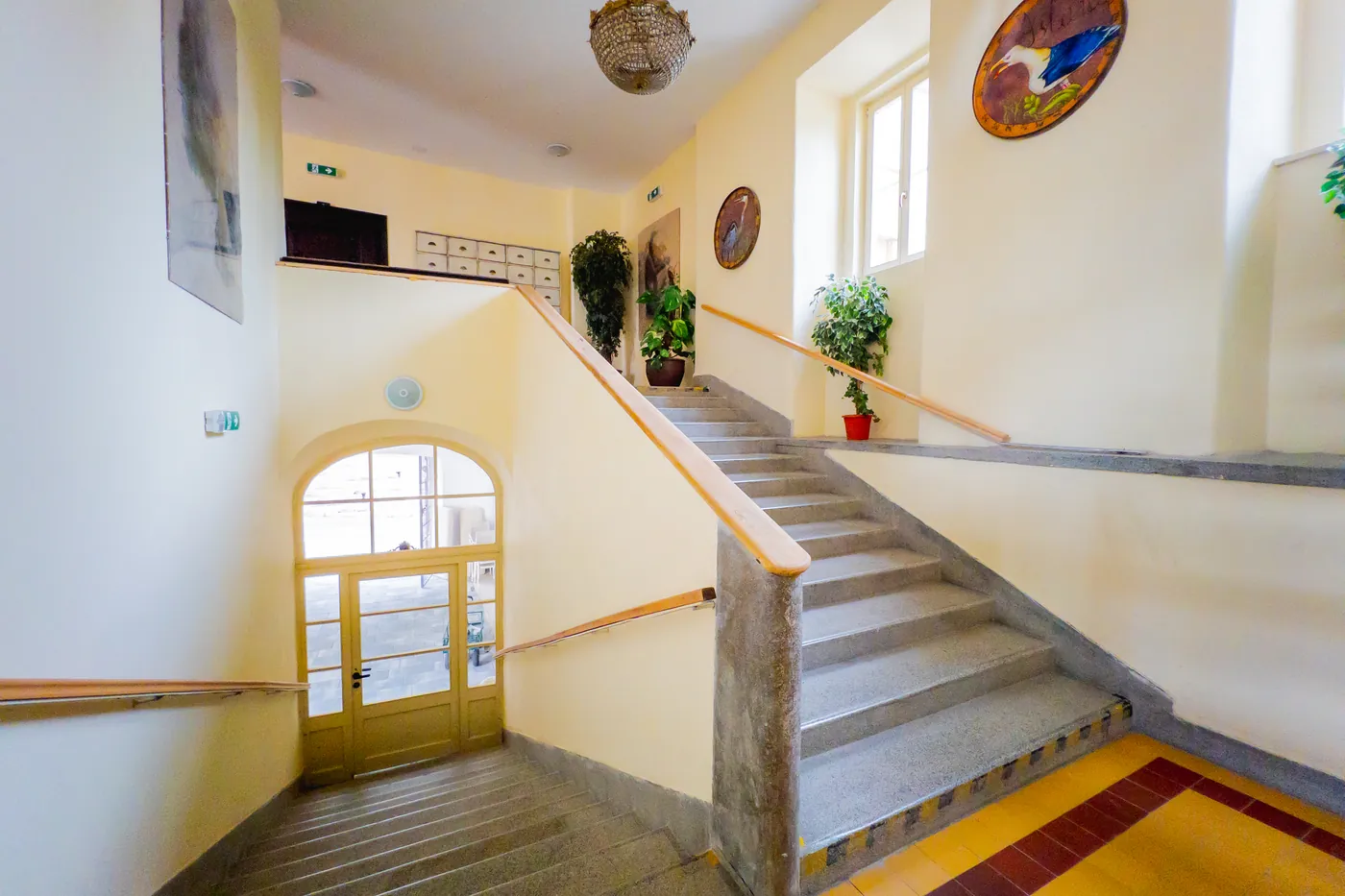
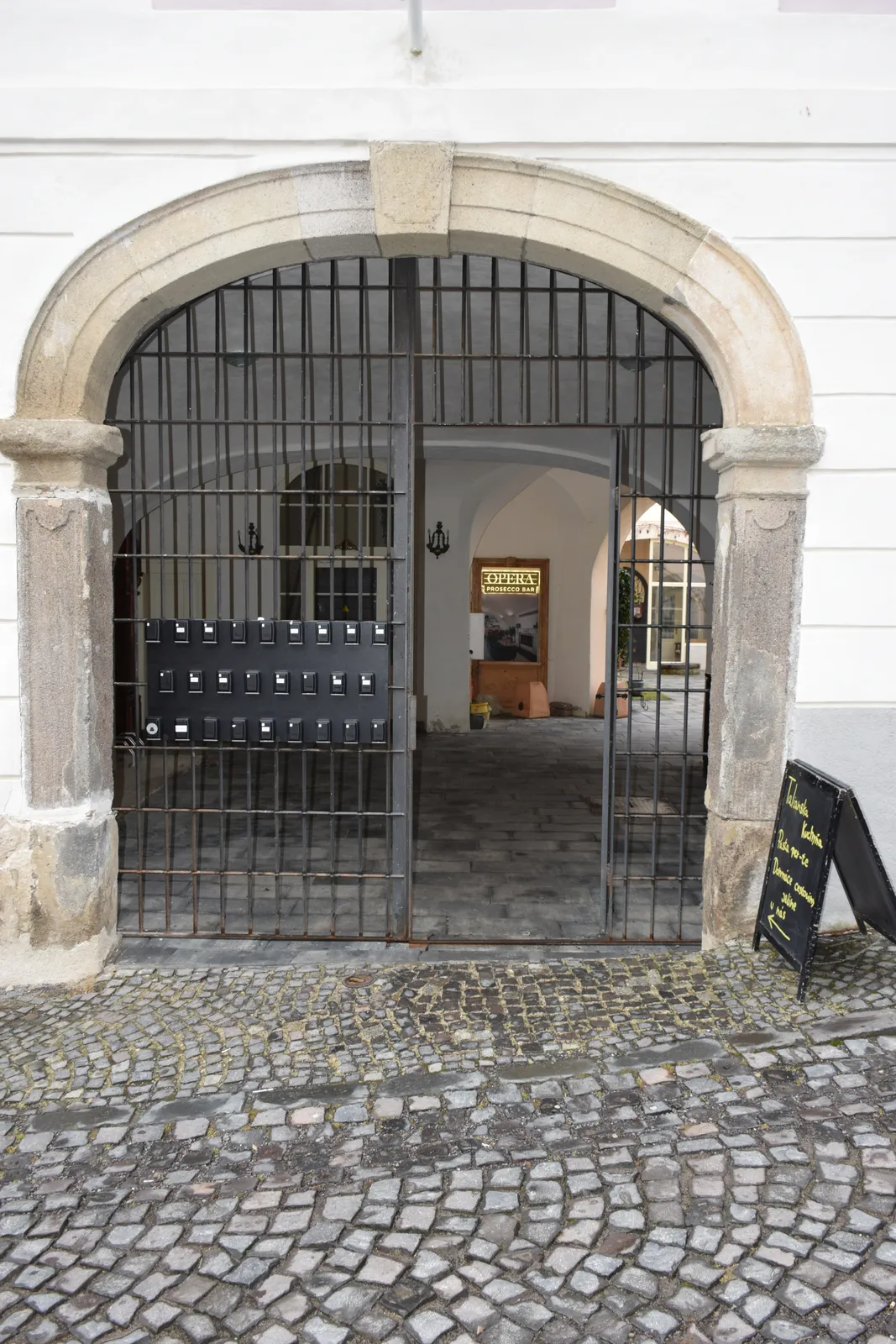
The town palace is beginning a new journey in its newly restored spaces, offering a touch of history to the many owners and visitors of this witness to the history of one of Slovakia's most amazing towns.
Photographs
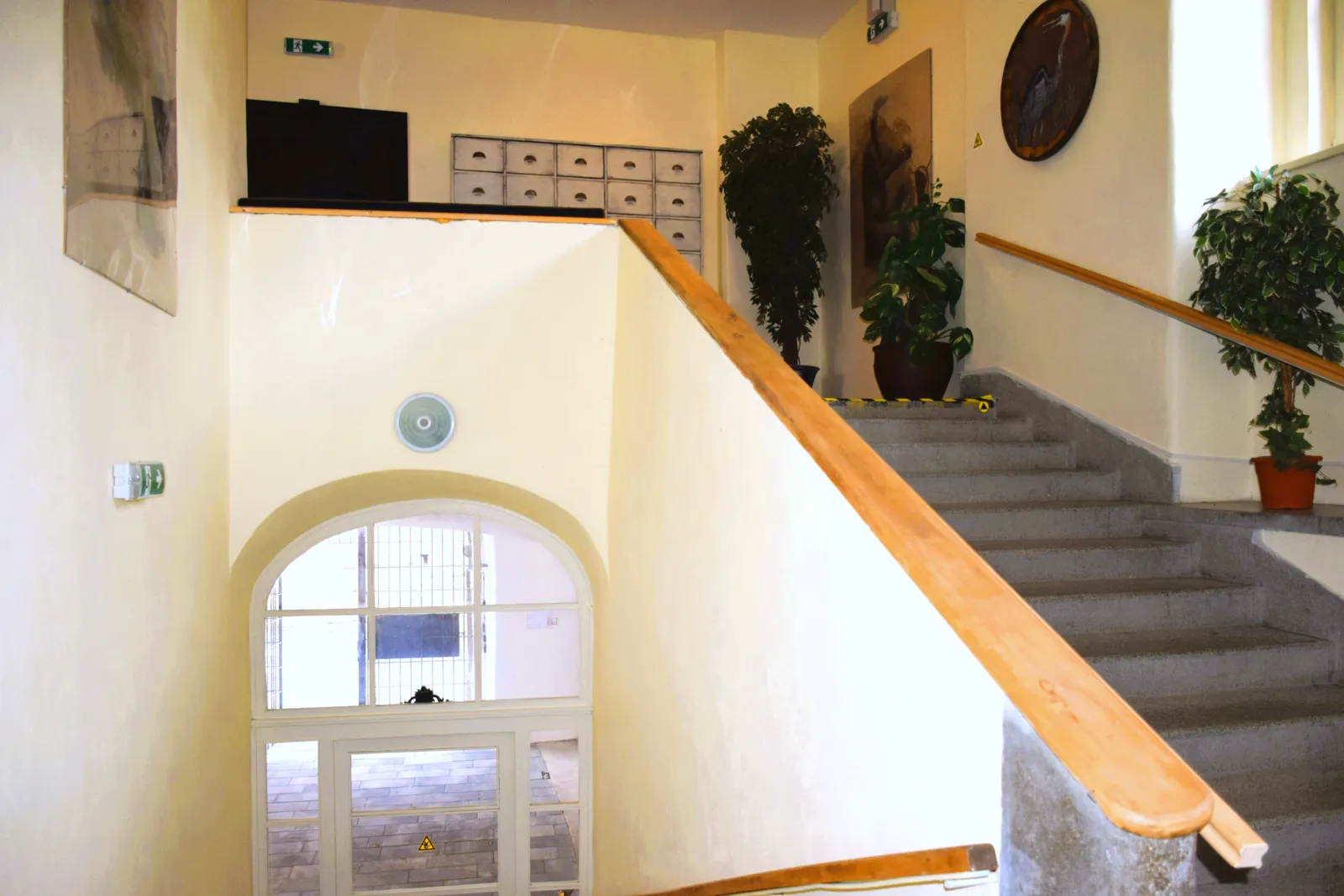
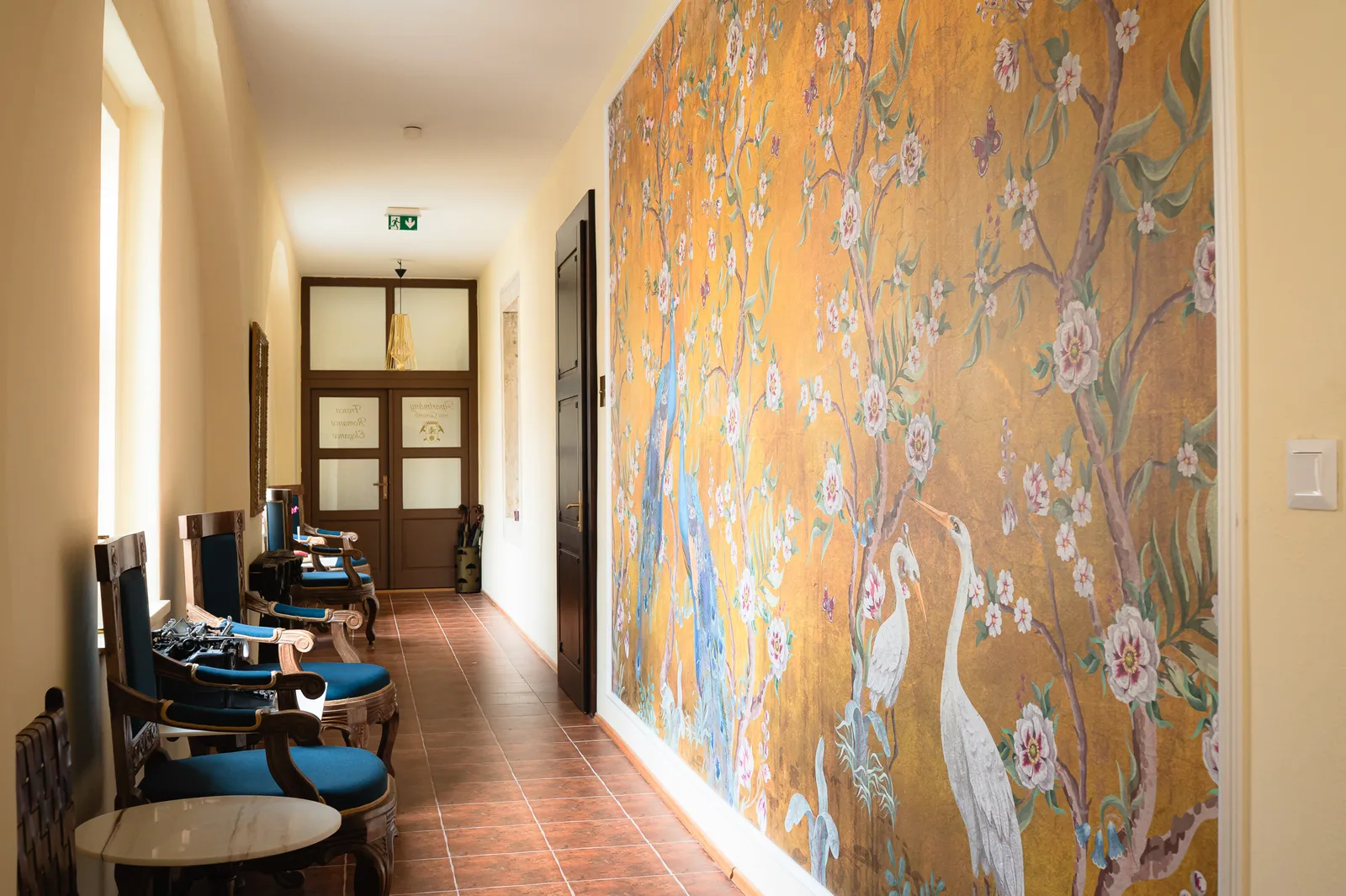
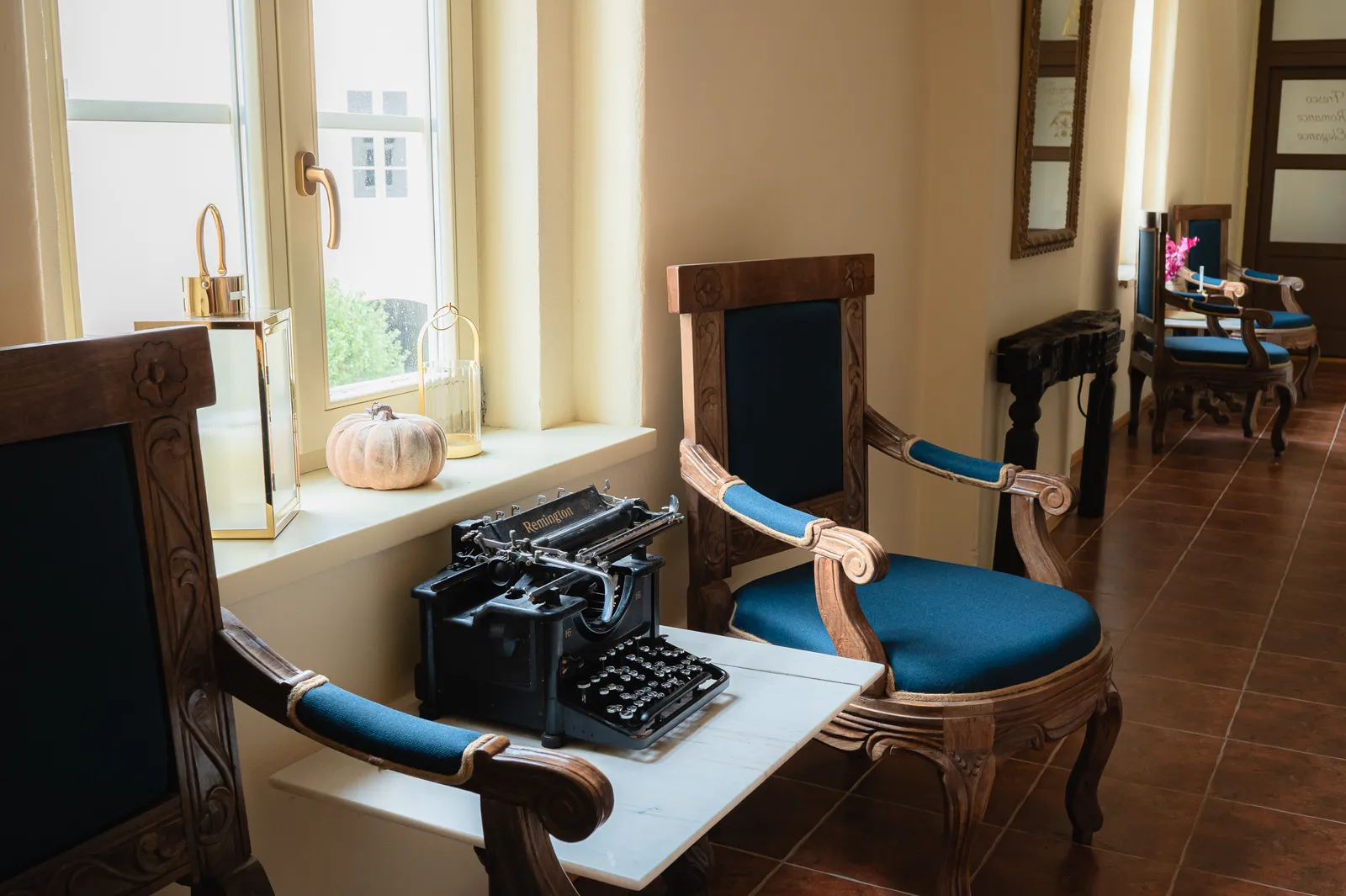
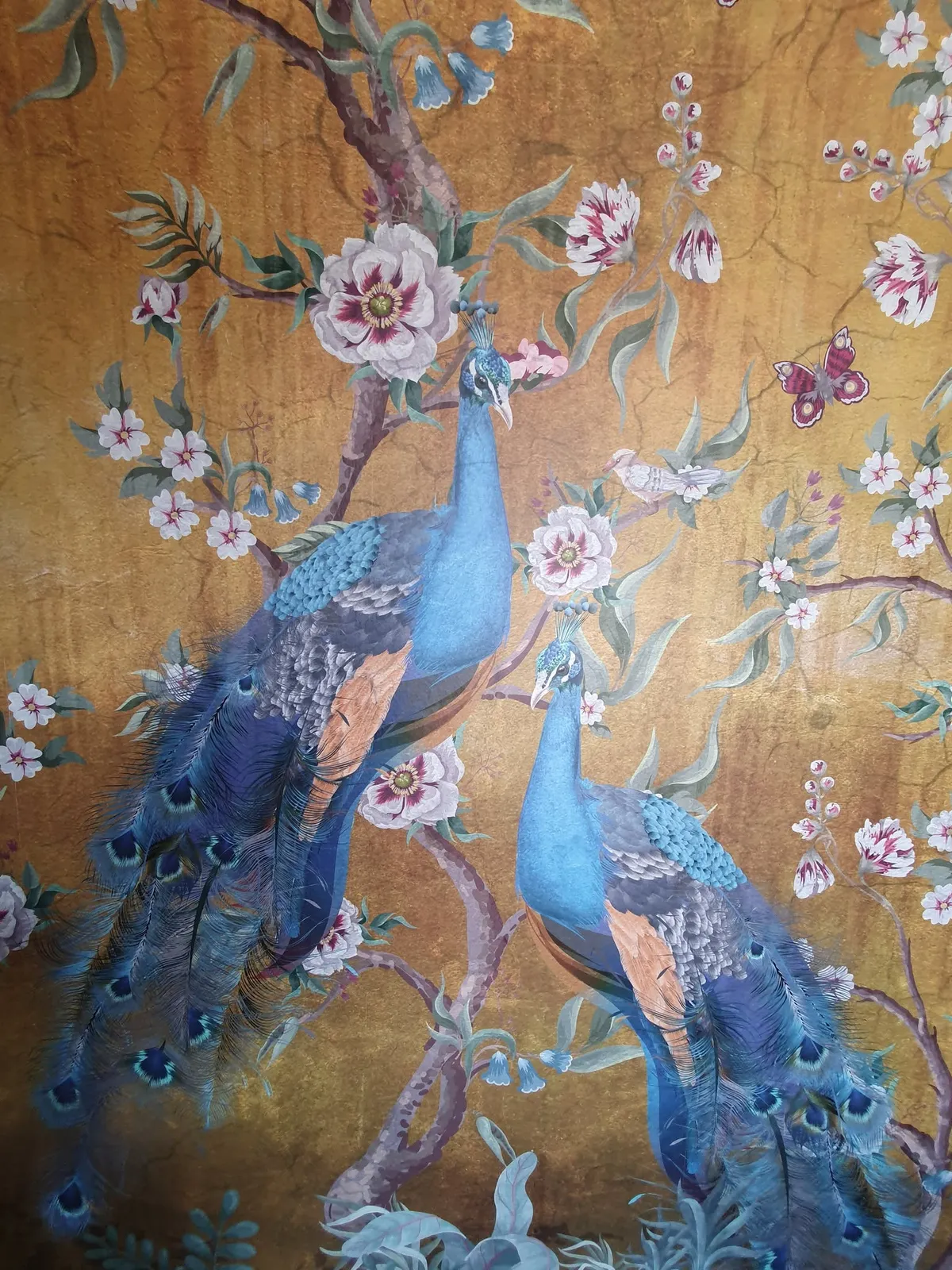
The palace today
Sources
- Čelková, Mária. Stavebno-historický vývoj objektu Krecsmáry-Geramb, spätého so začiatkami výučby na baníckej akadémii v Banskej Štiavnici (História, Architektúra, Nástenné maľby). In: Vivat Akadémia Banská Štiavnica 2013, pp. 158–171.
- Čelko, Mikuláš. Dom na ulici Antona Pécha č. 5 v Banskej Štiavnici, 2017, pp. 4–12.
- sk.wikipedia.org – Mikuláš Jacquin
- karstenivan.blogspot.com – Gerambovská rodina v štiavnických…